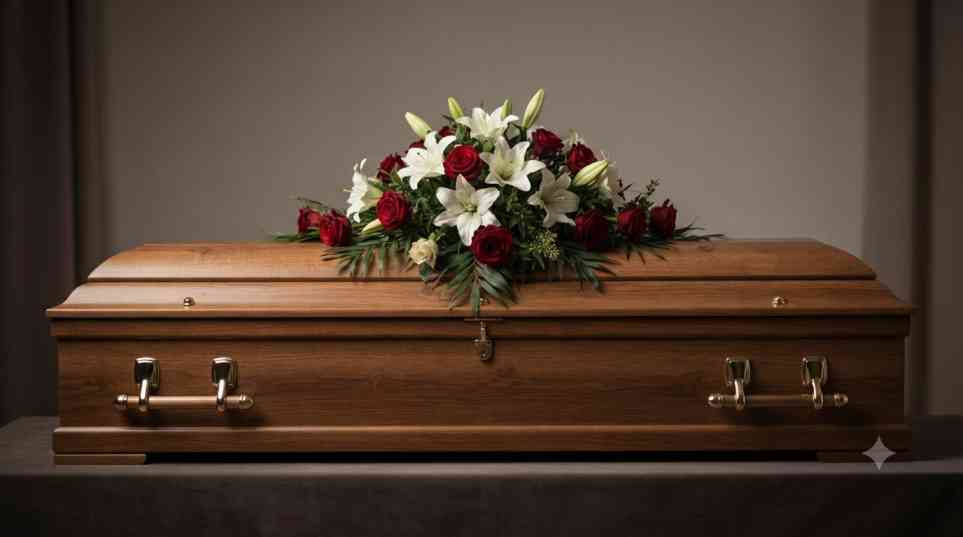
Dream About a Dead Person Being Alive Again? Here Is What This Emotional Dream Really Means

You open your eyes and for a second, your heart is still racing. In the dream, they were right there. Talking to you, laughing with you, maybe even hugging you, exactly like nothing ever happened. Then reality settles back in, and you remember. That person is gone. If you have ever woken up from a dream like this, chest tight and eyes wet, you already know how heavy and confusing this experience can feel.
Dreaming that a dead person is alive again is one of the most common dreams reported by people all across the United States, and it tends to hit differently than almost any other dream. It is rarely random. Your mind does not casually bring back someone you loved and lost just to fill space while you sleep. There is almost always something underneath it, whether that is unfinished grief, unresolved words, or simply your brain finding a gentle way to keep that person close a little while longer.
Quick Answer
Seeing a dead person alive in a dream is commonly considered a very blessed, important, and meaningful sign, the interpretation of which depends on the dead person’s appearance and actions. According to experts interpreters, its key interpretations are as follows:
Seeing them happy and in a good condition: If the dead person is seen in clean clothes, smiling, laughing, or in a good state, it is proof that they are in peace, comfort, and a good state (meaning depends on his previous life)
The truth of what the dead says: if they say something, give advice, or convey news in a dream, according to experts interpretation, their words are considered true and worthy of attention.
Receiving Gifts from Dead person: If the dead person gives you a gift or something good (such as food, honey, fruit, or clean clothing), it is a sign of lawful sustenance, blessings, and financial benefit in life.
Seeing dead person taking something or being in distress in dream: If the dead person appears sick, weak, sad, or in dirty clothes, or takes away something valuable, it could mean that the dead person needs spiritual rewards, charity, or prayers for forgiveness, or it could be an indication of a trial for you.
Dream interpretations can vary according to a person’s personal circumstances, intentions, and the condition of the dream, and they are never definitive decrees of fate.
Why Do We Dream About Dead People Being Alive?

To understand this dream, it helps to understand what your brain is actually doing while you sleep. During certain stages of sleep, your mind sorts through memories, emotions, and unresolved thoughts, often mixing them together in strange and vivid ways. When someone we love passes away, that loss does not get filed away neatly. It lingers in memory, in habits, in the small moments of the day where we still expect to see them. Dreams become one of the few places where that lingering connection can play out freely, without the rules of waking life getting in the way.
The Grief Connection
Grief does not move in a straight line, and it rarely follows a strict timeline either. Long after the funeral, long after friends and family have gone back to their normal lives, grief quietly continues in the background. Dreams about a deceased loved one being alive again often surface during exactly these quiet stretches, when your waking mind has moved on to daily tasks, but your heart has not fully caught up yet. The dream becomes a space where that unfinished grief gets a moment to breathe.
The Brain’s Way of Processing Loss
Some sleep researchers describe dreaming as the brain’s way of digesting difficult experiences that were too big to fully process while awake. Losing someone is one of the heaviest experiences a person can go through, and it makes sense that your mind would need extra time, sometimes months or even years, to work through everything connected to that loss. Seeing the person alive again in a dream can be part of that slow digestion process, allowing your brain to revisit the relationship piece by piece instead of all at once.
Unfinished Business and Unspoken Words
One of the most common threads behind this dream is something left unsaid. Maybe there was an argument that never got resolved, a thank you that was never spoken out loud, or simply not enough time to say a proper goodbye. Your dreaming mind has a remarkable way of creating the exact scene it needs in order to finally say what could not be said in real life, even if the conversation only happens while you are asleep.
Is This Dream Trying to Tell You Something?
It is natural to wonder whether a dream like this carries a hidden message, almost like a visit or a sign. While everyone is free to interpret it through their own personal or spiritual lens, from a purely psychological standpoint, this dream is most often about you and your own emotional state rather than a literal message from beyond. That does not make it any less meaningful, it simply means the real insight usually points inward.
Common Emotions That Show Up During These Dreams
Pay close attention to how you felt during the dream itself, because that emotional tone often carries more meaning than the storyline. A dream filled with warmth, comfort, and easy conversation tends to reflect a peaceful stage of grief, where you are finding ways to hold onto the relationship without pain overwhelming the memory. A dream filled with confusion, sadness, or even mild fear can point to grief that still feels unresolved, or guilt connected to something left unfinished between you and that person.
Different Types of Dead Person Alive Dreams
Not every dream in this category looks the same, and the specific details often shift the meaning in an important way. Below are the most common forms of this dream, broken down individually so you can find the one that matches what you experienced.
Dreaming Your Dead Parent Is Alive Again
Dreams involving a parent who has passed away are some of the most emotionally intense in this entire category, and for good reason. Parents shape so much of who we are, and their absence tends to leave a very specific kind of gap. This dream often shows up during times when you are facing a major life decision and find yourself wishing you could ask them for advice one more time, or during moments when you simply miss their guidance and presence.
Dreaming Your Dead Spouse or Partner Is Alive Again
Losing a spouse or long term partner changes daily life in a thousand small ways, from an empty side of the bed to habits built around two people instead of one. Dreaming that they are alive again often reflects how deeply their presence is still woven into your routine, even after their passing. This dream can bring immense comfort in the moment, followed by a fresh wave of grief upon waking, and both reactions are completely normal.
Dreaming a Dead Friend Is Alive Again
Friendship dreams like this often center around shared memories, inside jokes, or specific moments you experienced together. If the dream replayed a familiar memory rather than creating a new scene, it likely reflects your mind fondly revisiting a bond that mattered deeply to you, rather than pointing to anything unresolved.
Dreaming a Dead Sibling Is Alive Again
Sibling relationships carry a unique mix of closeness, rivalry, and shared history that stretches all the way back to childhood. A dream where a deceased sibling appears alive again often taps into that long, layered history, sometimes surfacing old childhood memories that had not crossed your mind in years.
Dreaming the Dead Person Is Talking to You
When the deceased person speaks directly to you in the dream, the content of what they say tends to matter more than almost any other detail. Comforting words often reflect your own inner reassurance, a part of you that already knows things will be okay, expressed through their familiar voice. Instructions or advice can reflect wisdom you already possess but have not fully trusted yet in your waking life.
Dreaming the Dead Person Ignores You
This particular scenario can feel surprisingly painful, even more than dreams where the person does not appear at all. Being ignored by someone you deeply miss often points to feelings of guilt, regret, or a fear that things were left unresolved between you before they passed. It can also simply reflect the natural process of letting go, your mind slowly creating emotional distance as part of healthy grieving.
Dreaming the Dead Person Looks Happy and Healthy
Seeing your loved one appear vibrant, healthy, and genuinely happy, especially if illness took them in real life, is one of the most comforting forms of this dream. Many people describe waking up from this kind of dream with a real sense of peace, as though some part of them needed visual proof that their loved one is no longer suffering.
Dreaming the Dead Person Looks Sick or in Pain
On the harder end of the spectrum, some dreams show the deceased person still appearing unwell or in distress. This can be deeply unsettling, but it usually reflects your own lingering worry or helplessness from their final days, rather than any actual continuation of suffering. It is often a sign that a part of your grief around their illness or passing still needs gentle attention.
Dreaming the Dead Person Is Saying Goodbye
A dream that clearly centers around a farewell, a hug, a final wave, or a peaceful parting scene, often marks an important shift in your grieving process. This type of dream tends to appear when you are finally ready to accept the loss on a deeper emotional level, even if part of you still misses them every single day.
Dreaming the Dead Person Is Warning You
Some dreams feature the deceased person urgently trying to warn you about something, whether it is vague danger or a specific situation. While it can feel dramatic in the moment, this dream is usually your own intuition using a familiar, trusted voice to get your attention about a real concern you already sense in your waking life.
Dreaming the Dead Person Does Not Know They Are Dead
This is one of the more unsettling forms of this dream, where the deceased person acts completely normal, unaware that they have passed away. It often reflects your own difficulty fully accepting the loss, a part of you that still expects them to walk through the door or answer the phone, even though logically you know that will not happen.
Dreaming the Death Never Actually Happened
In some dreams, there is no acknowledgment of death at all, the person is simply present, living their normal life as if nothing ever occurred. This scenario often points to a strong wish that things could go back to how they were, along with a mind that is still, in some quiet corner, working through the reality of the loss.
Having the Same Dead Person Alive Dream Again and Again
If this dream keeps repeating with the same person, it is worth paying closer attention to. Recurring dreams usually signal that your subconscious feels the message has not fully landed yet, whether that message involves forgiveness, closure, or simply permission to keep living fully without guilt.
Dreaming the Dead Person Is in Your Childhood Home
Seeing them in a familiar childhood setting, rather than a random or unfamiliar location, often reflects nostalgia and a longing for a simpler, safer time. This form of the dream tends to appear during stressful periods in adult life, when part of you is craving the comfort and protection you once felt in that specific place.
Dreaming a Dead Pet Is Alive Again
Pets hold an enormous place in our daily lives, and losing one leaves a very real emotional gap. Dreaming that a deceased pet is alive and well again often reflects a simple, pure form of missing them, along with genuine comfort at the mental image of them being safe, happy, and playful once more.
Dreaming a Dead Celebrity or Public Figure Is Alive
Occasionally, this dream involves someone you never personally knew, such as a celebrity or public figure whose passing genuinely affected you. This usually reflects how deeply their work, words, or presence influenced you personally, even without a direct relationship, and the dream is simply your mind processing that quieter form of loss.
Dreaming a Deceased Grandparent Is Alive Again
Grandparents often carry a very specific kind of unconditional warmth in our memories, sometimes even more relaxed and gentle than the relationship we had with our own parents. This dream frequently appears during stressful periods, almost like your mind is reaching back for the calm, patient presence that grandparent once offered, even if only for a few peaceful minutes while you sleep.
Dreaming a Deceased Child Is Alive Again
Few losses cut as deeply as losing a child, and dreams where that child appears alive and well again can be some of the most powerful and bittersweet a parent ever experiences. These dreams often bring a flood of both comfort and fresh grief at once, and there is no single right way to feel afterward. Many parents describe these dreams as a strange gift, a few borrowed moments with a child they miss every single day.
Dreaming a Deceased Ex Partner Is Alive Again
When the deceased person was an ex partner rather than a current spouse, the dream often carries a more complicated emotional mix, part grief, part nostalgia, and sometimes lingering questions that were never fully answered while they were alive. This dream can resurface old feelings you thought were long settled, simply because death has a way of freezing a relationship at whatever point it was left, unfinished business and all.
Dreaming the Dead Person Looks Younger or Different
Sometimes the person appears in the dream at a younger age than when they passed, healthier, more vibrant, or simply looking like an earlier form of themselves from years before. This detail often reflects a specific memory or time period your mind associates most strongly with them, frequently a period when things felt easier or happier between you both.
Dreaming the Dead Person Gives You Something
Being handed an object, a gift, a letter, or even just a simple item in the dream tends to carry symbolic weight tied to whatever that object represents in your life. A gift like this often reflects something valuable the person left behind for you, whether that is a lesson, a piece of advice you finally understand, or simply a feeling of being blessed by having known them at all.
Dreaming You Do Not Recognize the Dead Person at First
Occasionally, the deceased person appears in the dream but you do not immediately realize who they are, only recognizing them partway through. This can reflect distance that has grown since their passing, time slowly softening the sharp edges of memory, or it may simply reflect the strange, shifting logic that dreams often follow.
Dreaming You Discover the Death Never Really Happened
This particular twist, where the dream reveals that the death was somehow a mistake or misunderstanding, tends to bring an intense wave of relief followed by confusion once you wake up and remember the truth. It often points to a deep, ongoing wish that things could simply be undone, even while the logical part of your mind fully understands that is not possible.
Dreaming the Dead Person Appears in a Crowd
Spotting the deceased person briefly in a crowd of strangers, rather than in a direct, personal scene, often reflects how their memory still surfaces unexpectedly in everyday life, triggered by a stranger’s laugh, a familiar walk, or a passing resemblance. This dream mirrors exactly how grief tends to work in waking life too, arriving unannounced in the middle of an otherwise ordinary day.
What Your Relationship With the Person Might Reveal
The nature of your relationship with the deceased person often shapes the emotional undertone of the dream far more than any specific action within it. A relationship filled with warmth and closeness tends to produce comforting dreams, while a relationship marked by tension, distance, or unresolved conflict often produces dreams with a heavier, more complicated feeling attached to them. If your dream left you feeling unsettled rather than comforted, it may be worth gently reflecting on whether there is something specific from that relationship still asking for closure.
It also helps to consider how present that person was in your daily life before they passed. Someone you saw every day, a parent, spouse, or close sibling, tends to appear more frequently in dreams simply because their absence is felt more constantly, in routines, habits, and small daily reminders. Someone you saw less often may appear less frequently, but often with more intensity when they do, since the dream tends to carry extra emotional weight to make up for how rarely their memory gets consciously visited during waking hours.
Complicated relationships deserve a gentler kind of attention too. If the person who passed was someone you had a difficult or strained relationship with, dreaming of them alive again does not automatically mean everything has been forgiven or resolved. Sometimes these dreams simply reflect your mind revisiting old, unfinished feelings, giving you a private space to feel anger, sadness, or even relief without judgment from anyone else.
When this dream shows up in relation to the loss itself often carries meaning of its own. A dream that happens within days or weeks of someone passing away is usually part of the immediate shock and grief response, your mind struggling to fully register that this person is truly gone. A dream that appears months or even years later, seemingly out of nowhere, often coincides with a milestone, an anniversary, a birthday, a holiday, or a moment in your life where you simply wish they were there to share it with you.
Right After the Loss
In the early days and weeks following a death, dreams featuring the person alive again are extremely common and considered a completely normal part of acute grief. Your brain has not yet fully updated its internal sense of reality, and dreams can feel like one of the last places where the old shape of life still exists.
Years Later, Seemingly Out of Nowhere
When this dream returns unexpectedly after a long period of not occurring, it usually reflects something specific stirring in your current life, a big decision, a family event, or simply a quiet moment where their absence suddenly feels more noticeable than usual. These later dreams often carry a gentler, more reflective tone compared to the raw intensity of dreams that happen right after a loss.
Dead Person Alive Dream Meanings at a Glance
| Dream Detail | Likely Meaning |
|---|---|
| Deceased parent appears | Missing guidance, facing a big decision |
| Deceased spouse appears | Deep attachment, ongoing daily grief |
| Person is talking to you | Your own inner wisdom or reassurance |
| Person ignores you | Guilt, regret, or natural emotional distance forming |
| Person looks healthy and happy | Comfort, relief, acceptance forming |
| Person looks sick or in pain | Lingering worry from their final days |
| Person is saying goodbye | A meaningful shift toward acceptance |
| Dream repeats often | An unresolved message still needing attention |
| Setting is your childhood home | Longing for comfort and safety |
When These Dreams Become Frequent
An occasional dream about a deceased loved one being alive is completely normal, but when these dreams start happening very frequently, several nights a week for weeks at a time, it is often a sign that your grieving process still needs conscious attention rather than being left entirely to your subconscious. This does not mean anything is wrong with you, grief simply has its own timeline for every person, and some relationships take longer to fully process than others.
Frequent dreams like this can also intensify around major life transitions, moving to a new home, having a child, changing careers, or reaching an age the deceased person never got to reach themselves. These transitions often stir up grief in unexpected ways, and the dreams tend to follow right along with those emotional waves.
Seasonal patterns are worth noticing too. Many people report a noticeable increase in these dreams around the winter holidays, birthdays, and the anniversary of the person’s passing, even when they are not consciously thinking about the date beforehand. Your body and mind often keep a kind of internal calendar tied to significant losses, and dreams tend to surface right along with it, sometimes days before you have even glanced at a physical calendar yourself.
How to Process This Dream Emotionally
Rather than trying to analyze every detail with your logical mind the moment you wake up, it can help to simply sit with the emotional residue of the dream first. Ask yourself how you felt, not just what happened. Comfort, sadness, longing, and even relief are all valid reactions, and none of them need to be fixed or explained away immediately.
Writing the dream down soon after waking, even in just a few short sentences, can help you notice patterns over time, especially if the dream keeps returning. A simple notebook kept by the bed is often enough, you do not need anything elaborate, just a few lines capturing who appeared, what happened, and how you felt when you opened your eyes. Over weeks and months, these small notes can reveal patterns that are easy to miss in the moment, such as the dream returning more often around certain dates or during particular kinds of stress.
Talking about the dream with someone who also knew the person can also be surprisingly healing, turning a private, sometimes lonely experience into a shared moment of remembering someone you both cared about. Family gatherings, anniversaries, or simply a quiet phone call with another person who loved them can become natural openings for these conversations, and you may find that other people close to that person have had strikingly similar dreams of their own.
Some people also find comfort in creating a small, intentional ritual connected to the dream, lighting a candle, looking through old photographs, or simply speaking a few words out loud as though continuing the conversation the dream started. There is no single correct way to honor what the dream stirred up, the goal is simply to give that emotion somewhere real to go instead of letting it sit unacknowledged.
If these dreams are consistently leaving you feeling overwhelmed rather than comforted, or if your grief in general feels stuck rather than gradually easing over time, it is worth reaching out to a grief counselor or therapist who can walk alongside you through that process. There is no timeline you are supposed to follow, and getting extra support is never a sign of weakness. Support groups specifically built around loss can also be valuable, offering the reassurance that comes from realizing just how many other people carry a form of this exact same dream.
Common Myths About This Dream
Myth: The Dream Means Something Bad Is About to Happen
Many people wake up from this dream feeling a strange sense of dread, worried it might be some kind of omen. In reality, this dream is overwhelmingly emotional rather than predictive. The unsettled feeling usually comes from the grief itself, not from any warning about your future.
Myth: You Only Have This Dream If You Are Not Healing Properly
There is a common assumption that if you are truly at peace with a loss, these dreams should stop completely. This simply is not true. Even people who have processed their grief in a healthy, complete way continue to dream about deceased loved ones for years, sometimes decades, afterward. The dream is not a sign of failure, it is a sign that the relationship still matters.
Myth: Ignoring the Dream Makes It Go Away
Some people try to avoid thinking about the dream entirely, hoping it simply fades if left unexamined. In practice, dreams tied to real, unresolved emotion tend to return more persistently when they are pushed aside rather than gently acknowledged, even if only through a few quiet minutes of reflection.
What Sleep Science Says About Grief Dreams
Sleep researchers who study grief have found that dreams involving deceased loved ones are remarkably common, reported by a large majority of people who experience significant loss at some point in their lives. These dreams tend to cluster around specific periods, shortly after the loss, around the one year mark, and again around major life events the person is no longer present for.
Interestingly, studies on grief dreams often find that the emotional tone tends to shift over time. Dreams closer to the loss are frequently described as more distressing or confusing, while dreams that occur later, once grief has had time to settle, are more often described as comforting or even joyful. This shift mirrors the natural arc of grief itself, moving gradually from raw pain toward a more peaceful kind of remembering.
How This Dream Is Different From a Nightmare About Death
It helps to draw a clear line between this dream and a true nightmare, because the two often get grouped together even though they feel completely different once you look closely. A nightmare about death typically centers on fear, danger, or the act of dying itself, and it usually leaves you waking up with your heart pounding and a strong urge to shake off the feeling as quickly as possible.
A dream where a dead person is simply alive again rarely follows that same fearful pattern. Even when it feels emotionally heavy, the core of the dream is almost always connection rather than danger, a reunion rather than a threat. Recognizing this difference can help you approach the dream with curiosity and tenderness instead of the instinct to push it away as quickly as possible, the way you naturally would with a frightening nightmare.
This distinction also matters for how you choose to respond afterward. A frightening nightmare often calls for grounding techniques, deep breaths, turning on a light, reminding yourself where you are. A dream about a deceased loved one being alive again usually calls for the opposite response, slowing down, staying with the feeling a little longer, and allowing yourself the rare, quiet gift of a few more imagined moments with someone you love.
Final Thoughts
Dreaming that someone you lost is alive again is one of the most tender experiences your sleeping mind can offer you. It is not a haunting, and in most cases it is not a warning either, it is simply love finding a way to linger a little longer, memory finding a stage to play out on, and grief slowly working itself through in the safest place your mind has to offer. The next time this dream visits you, try to let yourself feel it fully before the morning rush pulls you back into the day, because moments like that, even if they only exist while you sleep, are worth holding onto.
Frequently Asked Questions
Is it normal to dream about a dead person being alive?
Yes, this is one of the most commonly reported dreams among people who have lost a loved one, and it is considered a completely normal part of processing grief.
What does it mean when a dead person talks to you in a dream?
It usually reflects your own inner thoughts, reassurance, or wisdom, expressed through the familiar and trusted voice of someone you loved.
Why do I keep having the same dream about a deceased loved one?
Recurring dreams like this often signal that a specific emotional message, whether it is closure, forgiveness, or simple reassurance, still feels unresolved for you.
Does dreaming about a dead person mean they are trying to reach you?
From a psychological standpoint, this dream is usually about your own emotional processing rather than direct contact, though many people find personal meaning in interpreting it as a visit.
Why did my dead loved one look happy in my dream?
This often brings genuine comfort, reflecting a stage of acceptance where your mind is picturing them as safe, well, and no longer suffering.
Should I be worried if these dreams happen very often?
Frequent dreams are not something to fear, but if they are accompanied by ongoing distress, it may help to talk with a grief counselor or therapist for extra support.
Why do these dreams often happen around anniversaries or holidays?
Your mind tends to keep track of emotionally significant dates even without conscious effort, so grief and the dreams tied to it often intensify around anniversaries, birthdays, and holidays connected to the person you lost.
Can a dream about a dead relative be a sign I need to talk to someone?
If the dream leaves you feeling consistently distressed rather than comforted over time, it can be a gentle signal that your grief could benefit from extra support, such as a counselor or a grief support group.
Discover More

Hi, I’m Suleman, the writer behind Dream Meaning Guide. My interest in dream meanings started after years of having recurring dreams and finding most online explanations either too shallow or too complicated to actually use. Me and my team created this site to explain dream meanings in simple, honest language, backed by real research into different interpretation traditions. Every article is written to help you understand your dreams, not just guess at them. Want to know more? Visit my full author page.