Dreaming of Demons: Fear, the Shadow Self and Hidden Conflict
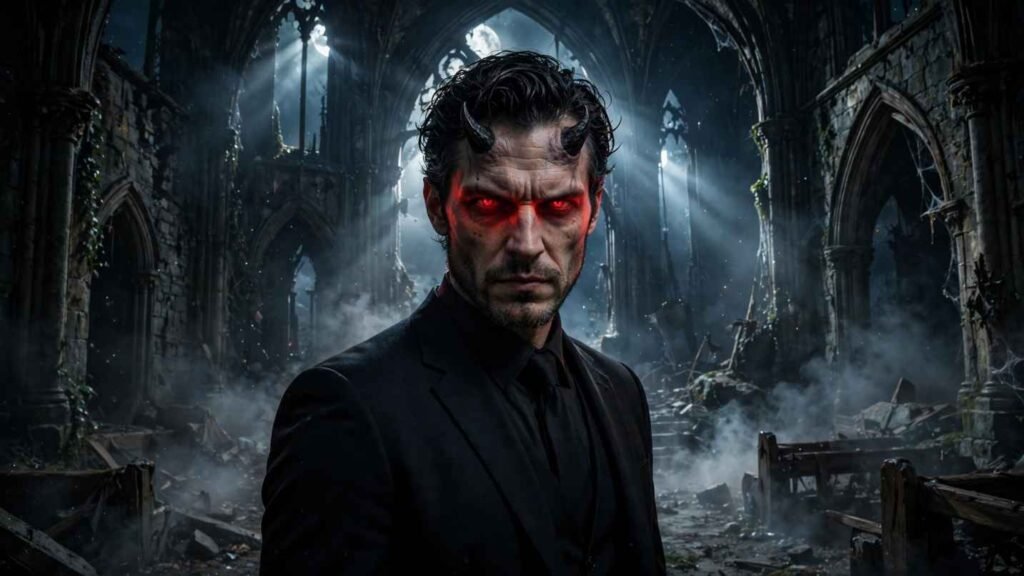
Demon dreams are some of the most intense and unsettling dreams a person can have, and if you have just woken up from one, it makes sense that you are searching for answers right now.
The good news is that demon dream meaning almost never points to anything supernatural actually happening to you. Dreaming of demons is far more often a sign of something going on inside your own mind, something that feels dark, heavy, or hard to control, that your brain has turned into the scariest image it has available. This guide covers the full picture of what does a demon mean in a dream, including the psychological meaning of demon dreams, the specific scenes people dream about most, and what to actually do once you wake up still shaken by it.
Quick Answer
Dreaming of demons can reflect intense stress, worry, or inner fears that are affecting your peace of mind in waking life. It may also represent a hidden enemy or a negative situation that is creating problems in your life. This type of dream may be a reminder to focus on your spiritual well-being and find ways to feel more peaceful. If you fight the demon or manage to drive it away, it can symbolize overcoming your fears, confusion, and difficulties. However, dream meanings can vary from person to person based on their personal situation.
What Does a Demon Mean in a Dream?
At the most basic level, a demon in a dream represents something that feels threatening, out of control, or hard to understand. Because a demon is one of the most frightening images the human imagination has ever created, the mind often reaches for it when it needs a symbol strong enough to match whatever feeling is actually going on underneath. This could be fear, guilt, anger, or a situation in your life that genuinely feels like it is working against you.
A demon is rarely a literal message. It is almost always a stand in, a costume your mind puts on a feeling so that it becomes something you can actually see and react to inside the dream. Understanding this can take away a lot of the fear, since the real question is never really about the demon itself, but about what that demon was standing in for.
Demon Dream Symbolism
Demon dream symbolism shows up differently across different cultures, but a few themes repeat almost everywhere. A demon is usually linked to temptation, to the parts of a person that feel dangerous or shameful, and to struggles that feel bigger than one person can handle alone. This is part of why demon imagery has survived in stories, art, and religion for thousands of years. It gives a shape to something that is otherwise invisible, which is the feeling of being pulled toward something harmful or being trapped by something you cannot easily escape.
In a dream, this same symbolism carries over directly. A demon becomes a container for whatever feels too big, too dark, or too uncomfortable to look at directly while you are awake. The specific details of the demon, how it looked, what it did, and how you reacted, all add more precision to exactly what that container is holding.
Psychological Meaning of Demon Dreams
From a psychological standpoint, demon dreams tend to show up during periods of real emotional pressure. Your mind spends most of the day filtering and managing feelings so you can function normally, get through work, take care of responsibilities, and interact with people calmly. At night, with those filters relaxed, strong feelings that did not get fully processed during the day often surface in dramatic, symbolic form. A demon is one of the most dramatic symbols available, which is exactly why it tends to appear during the most intense stretches of stress, grief, or internal struggle.
This dream does not mean anything is wrong with your mental health. It is a completely normal way for the brain to process difficult material. What matters more than the demon itself is identifying what kind of pressure has been building in your life recently, since that pressure is almost always the real subject of the dream.
The Shadow Self
One idea that comes up a lot in dream psychology is the concept of the shadow self, a term that describes the parts of your personality you tend to push away or refuse to admit you have, things like anger, jealousy, selfishness, or desires that feel unacceptable. According to an overview on Psychology Today’s explanation of the shadow self, these hidden traits do not disappear just because we refuse to look at them. They tend to resurface in dreams, often disguised as something frightening, because the conscious mind is more willing to face a scary stranger, or a demon, than to admit a trait belongs to itself.
A demon dream connected to the shadow self often feels unusually personal, as though the demon somehow knows you or is specifically targeting you. This can be uncomfortable, but it is actually a useful sign. It usually means your mind is finally ready to look at a part of yourself that has been hidden away for a while, not because that part is truly monstrous, but because you were taught somewhere along the way that it was unacceptable to have it at all.
Hidden Fears
A demon dream can also be a direct stand in for a fear you have never fully named. Many people carry fears quietly, about failure, about being abandoned, about not being good enough, without ever really saying those fears out loud, even to themselves. Because these fears stay unspoken, they also stay vague, and vague fears are exactly the kind of material the mind tends to dramatize at night.
If a demon dream left you with a strong, specific feeling of dread, it can help to ask yourself directly what you are most afraid of right now, in plain words. Naming the fear, even privately, often takes away a surprising amount of its power, both in your dreams and in daily life.
Inner Conflict
Inner conflict happens when two parts of you want different things at the same time, like wanting to leave a situation but also feeling obligated to stay, or wanting to speak honestly but fearing the consequences of doing so. This kind of internal tug of war is exhausting, and it rarely gets fully resolved during a normal day. A demon in a dream can represent one side of that conflict, often the side that feels more selfish, more aggressive, or more forbidden, fighting against the calmer, more controlled version of yourself.
If your dream involved you fighting or resisting the demon, this often mirrors a real struggle you are having between two competing needs or values. Paying attention to what each side of that fight seemed to want can offer real clarity about the decision or tension you are actually facing.
Unresolved Emotions
Emotions that never get fully processed tend to sit in the background of the mind, waiting for an opportunity to be dealt with. Grief that was never fully grieved, anger that was never expressed, or sadness that got pushed aside in favor of staying busy can all linger for months or years. A demon dream can act like a pressure valve for exactly this kind of unresolved emotion, letting it out in a dramatic, symbolic way because it never got a healthier outlet during waking life.
If this dream feels familiar, it is worth gently asking what feeling you have been putting off dealing with. Giving that feeling even a small amount of attention, through talking, writing, or simply allowing yourself to feel it fully for a few minutes, often reduces how often this kind of dream returns.
Demon Dreams and Trauma
For people who have been through something frightening, painful, or overwhelming, whether recently or long ago, demon dreams can be one way the mind continues to process that experience. Trauma, in simple terms, refers to the lasting impact a deeply distressing event can have on a person’s mind and body, often leaving behind fear responses that show up even when the original danger is long gone. A demon in a dream can represent that original fear, replayed in a new form because the mind is still working to make sense of what happened.
If demon dreams are connected to a real past event for you, this is worth taking seriously, not as something to fear, but as a sign that part of you may still need support in healing. Speaking with a therapist who has experience with trauma can make a meaningful difference, both in how often these dreams occur and in how manageable they feel when they do.
Intrusive Thoughts
Intrusive thoughts are unwanted thoughts that pop into a person’s mind suddenly, often feeling disturbing, out of character, or even frightening, even though they do not reflect what a person actually wants or believes. Almost everyone experiences intrusive thoughts from time to time, even though they are rarely talked about openly because they can feel embarrassing or alarming. A demon in a dream can sometimes represent this exact experience, an unwanted presence forcing its way into your mind the same way an intrusive thought forces its way into your thinking during the day.
If you struggle with intrusive thoughts in waking life, it can be reassuring to know that having them does not mean anything is wrong with your character. A demon dream reflecting this pattern is simply your mind giving shape to an experience that already feels unwanted and uninvited, not evidence that something sinister is happening inside you.
Feeling Powerless
Few feelings are as uncomfortable as feeling powerless, like you have no real say in what happens to you. A demon dream, especially one where you cannot move, fight back, or escape, often mirrors this exact feeling from waking life. This can show up during situations where you feel controlled by someone else, trapped by circumstances, or stuck in a pattern you cannot seem to break.
This dream can be a useful signal to look honestly at where in your life you feel the least in control, whether that is a job, a relationship, or your own health, and to consider even one small step you could take to regain a sense of agency in that area.
Fear of Losing Control
Closely related, but slightly different, is the fear of losing control rather than already having lost it. This version of the dream often shows up for people who generally feel in charge of their lives but are facing a situation that threatens that sense of order, like a health scare, a financial risk, or a decision with consequences they cannot fully predict. The demon in this version often represents the chaos itself, the unpredictable force threatening to disrupt a life that has otherwise felt steady.
This dream is rarely a sign that you are actually about to lose control. More often, it reflects the discomfort of facing uncertainty, which is one of the hardest feelings for a mind that values stability to sit with.
Addiction
For people struggling with addiction, or supporting someone who is, demon dreams can carry a very specific and familiar weight. Addiction is often described, including in material published by the National Institute on Drug Abuse, as a condition that changes how the brain processes reward and self control, which is part of why it can feel like fighting against something bigger than yourself, even when you deeply want to stop. A demon in a dream captures this feeling almost perfectly, an outside force that keeps pulling you back toward something you know is harmful.
This dream, along with closely related dreams about temptation, does not mean a person is weak or beyond help. It often reflects real awareness of the struggle, which is itself an important part of recovery. If this dream feels connected to your own experience or someone else’s, reaching out to a professional or a support group can offer real tools that a dream alone cannot provide.
Sleep Paralysis
Some of the most frightening demon dreams happen alongside sleep paralysis, a real and fairly common sleep experience where a person wakes up but is temporarily unable to move their body. According to the Sleep Foundation’s explanation of sleep paralysis, this happens when the brain wakes up before the body fully exits a stage of sleep called REM sleep, and it is often accompanied by vivid, frightening hallucinations, including the sense of an evil presence in the room. Historically, this exact experience is part of why demon and intruder imagery shows up so often across cultures describing nighttime terror.
If you have experienced this, it can be reassuring to know that sleep paralysis, while terrifying in the moment, is not dangerous and usually passes within a minute or two. It tends to happen more often during periods of poor sleep, high stress, or an irregular sleep schedule, so improving those habits can genuinely reduce how often it occurs.
Spiritual Meaning of Demon Dreams
From a spiritual point of view, many old traditions treat a demon in a dream as a symbol of temptation, moral struggle, or a test of character rather than a literal visitor. Traditional dream interpretation often connects this dream to an invitation for self examination, encouraging the dreamer to look honestly at their own choices, habits, and the direction their life has been heading, rather than assuming the dream is a message from outside themselves.
A demon that is successfully resisted or defeated in a dream is often seen as a positive sign, a reflection of inner strength and the ability to overcome temptation or hardship. A demon that overwhelms the dreamer, on the other hand, is sometimes read as a gentle warning to pay closer attention to an area of life that has started to feel unmanageable, whether that is a habit, a relationship, or an unresolved emotional wound.
Many traditional teachings also emphasize that fear itself, even fear experienced in a dream, can be an opportunity for growth. Facing a frightening dream with calm reflection, rather than panic, is often seen as a small act of courage that carries meaning well beyond the dream itself, strengthening the same inner resolve that helps a person face real difficulties while awake.
Related Dreams
- Had Dream About Possession? | Here is what it Means
- Dreaming Of A Baby Dying
- Dream about Receiving Gifts from a Dead Person
Common Demon Dreams
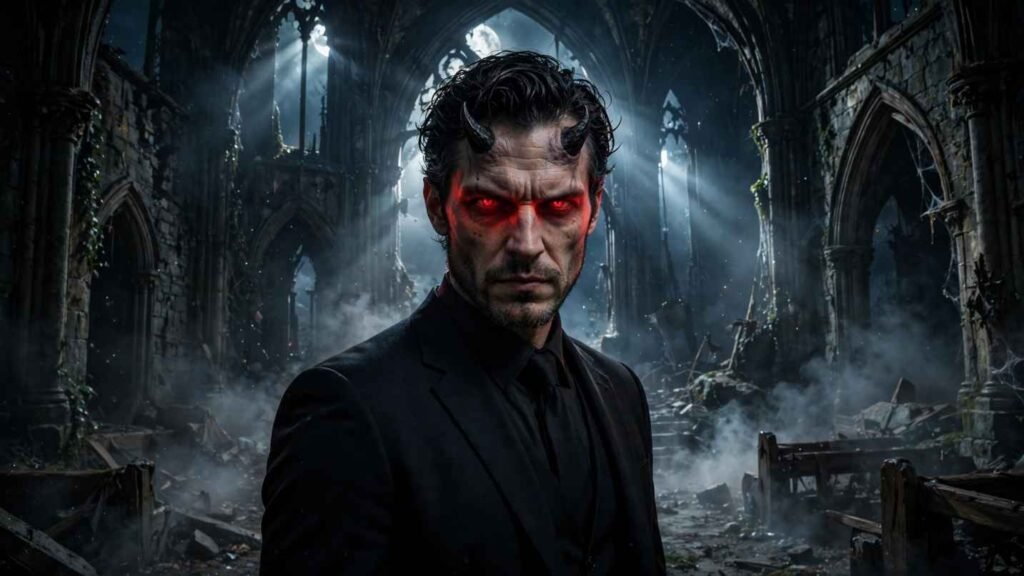
Beyond the deeper psychological and spiritual meaning already covered, certain specific demon dreams come up again and again. Each version below adds its own particular shade of meaning to the broader themes already discussed.
Demon Chasing You
Dreaming of demons chasing you usually means you are running from something rather than facing it directly, whether that is a feeling, a decision, or a truth about yourself you are not ready to accept. The chase itself often reflects how much energy you have been spending trying to avoid this thing, and how tired that avoidance has made you feel.
Being Possessed by a Demon
Dream about being possessed by a Demon often reflects a feeling of losing control over your own choices, actions, or emotions, as though something outside yourself has taken over. This can point to a habit that feels bigger than you, a strong emotion you have struggled to manage, or a situation where outside pressure has started to dictate your decisions more than your own values do.
Fighting a Demon
Dream about fighting a demon usually point to a real effort already being made to overcome a struggle in your waking life. This dream can show up during a period when you are actively working on yourself, whether that means breaking a habit, healing from something painful, or standing up to a difficult situation you used to avoid.
Defeating a Demon
Dreaming about defeating a demon is one of the most encouraging versions of this dream. It often reflects a real sense of progress, a feeling that you have gained the upper hand over something that used to control you. This dream can be worth remembering and returning to during harder moments, as a reminder of strength you have already proven you have.
A Demon Attacking You
Dreaming of a demon attacking you often shows a problem that has grown urgent, something that can no longer be ignored or pushed aside. This dream tends to feel more intense than simply being chased, since it suggests the struggle has already reached you rather than still approaching.
Demon Hiding
Dream about demons hiding, peeking out, or lurking just out of sight often reflects a problem you sense but have not fully acknowledged yet. This dream can point to a feeling that something is wrong, even if you cannot clearly name what it is, similar to a quiet, nagging worry that has not yet been brought fully into the light.
A Demon in Your House
Dream about demons in your house often means the struggle has become personal, touching your private life, your family, or your sense of safety rather than staying distant or abstract. Since a home in dream language usually represents the self, this version of the dream often means the feeling behind it has moved from a general worry into something that feels close to your identity.
Running Away From a Demon
Similar to being chased, but with more intention, this dream reflects a conscious choice to avoid confronting something difficult. This is not a weakness. Sometimes running is simply what a person needs to do until they feel ready to turn and face the problem directly.
Demon Dreams and Difficult Life Situations
Demon dreams often cluster around genuinely hard periods of life, times of loss, major transitions, financial strain, illness, or relationship breakdown. During these stretches, the mind is carrying more than usual, and the imagery it reaches for at night often matches the intensity of what is happening during the day. If you have been going through something difficult lately, a demon dream is rarely surprising. It is simply your mind’s way of expressing just how heavy that difficulty has felt.
Can Demon Dreams Reflect Real Life Problems?
Yes, in the sense that they almost always point back to something real, even if the dream itself is symbolic rather than literal. A demon dream is not usually predicting a future event, but it is very often reflecting a current, genuine struggle, whether that struggle is emotional, relational, or situational. Taking the dream seriously as a signal, without taking it literally as a supernatural warning, tends to be the most useful way to understand what it is actually telling you.
Why Do I Keep Dreaming About Demons?
Recurring demon dreams usually mean the underlying issue behind them has not yet been resolved. The mind tends to repeat a dream, sometimes with small variations, until the message finally gets enough attention. This can continue for weeks, months, or even longer if the real source of stress remains unaddressed.
If this sounds familiar, it can help to treat the pattern itself as useful information. Try to notice what else was happening in your life during the weeks these dreams were most frequent, since that timing often points directly to the real trigger behind them.
How to Interpret a Demon Dream
To interpret your own demon dream, start by writing down everything you can remember as soon as possible after waking, including what the demon looked like, what it did, how you responded, and how you felt. Then ask yourself honestly what in your current life feels frightening, overwhelming, or out of control, since this is almost always the true subject the dream is circling around. The specific details of your dream, more than any general guide, usually hold the clearest answer.
What to Do After a Demon Dream
After a demon dream, it helps to take a few slow breaths and remind yourself that you are safe. Once the initial fear has settled, try to reflect honestly on what has been weighing on you lately, whether that is stress, an unresolved emotion, or a situation that feels beyond your control. If the dream keeps repeating or feels connected to something serious, like trauma or addiction, reaching out to a mental health professional can offer support that goes beyond what self reflection alone can provide.
How Your Feelings in the Dream Shape the Meaning
The emotion you felt during the dream often matters more than the storyline itself. Intense terror usually reflects a fear that feels very active and present in your life right now. A strange sense of calm, even while facing something frightening, can reflect inner resilience you may not fully recognize in yourself yet. Anger directed at the demon often points to frustration with whatever the demon represents, while a feeling of helplessness usually mirrors a real situation where you currently feel unable to act.
Final Thoughts
Demon dream meaning almost always comes back to the same basic idea, which is fear given a shape dramatic enough for your mind to finally pay attention to it. Whether the dream reflected hidden parts of yourself, unresolved emotions, trauma, addiction, or simply the weight of a hard season of life, the demon itself is rarely the real message. It is the costume your mind chose for something that felt too big, too dark, or too uncomfortable to look at directly while you were awake.
Rather than fearing this dream, try to treat it as useful information. What feels frightening, out of control, or unresolved in your life right now? That question, more than any single interpretation of the demon itself, is usually where the real answer is waiting.
Frequently Asked Questions
Does dreaming about demons mean something evil is near me?
No, in almost every case this dream reflects something happening inside your own mind rather than anything outside of it.
Why do I keep having the same demon dream over and over?
Recurring demon dreams usually mean the underlying stress or fear behind them has not yet been fully addressed, so the dream keeps repeating until it gets your attention.
Is it a bad sign if I lose to the demon in my dream?
Not necessarily. It often simply reflects a struggle that still feels unresolved, rather than predicting failure in real life.
What does it mean if I feel calm during a demon dream instead of scared?
This often reflects inner strength or growing acceptance of a difficult situation, even one that would normally feel frightening.
Should I be worried if demon dreams happen alongside sleep paralysis?
Sleep paralysis can be frightening, but it is a known and common sleep experience that is not dangerous. If it happens often, improving sleep habits or speaking with a doctor can help.
Can stress alone cause demon dreams?
Yes, stress is one of the most common triggers for intense, dramatic dreams of all kinds, including demon dreams.

Hi, I’m Suleman, the writer behind Dream Meaning Guide. My interest in dream meanings started after years of having recurring dreams and finding most online explanations either too shallow or too complicated to actually use. Me and my team created this site to explain dream meanings in simple, honest language, backed by real research into different interpretation traditions. Every article is written to help you understand your dreams, not just guess at them. Want to know more? Visit my full author page.